Archive for January, 2011

h1

Sustainable Gardening

January 12, 2011

 What is Sustainable Gardening?
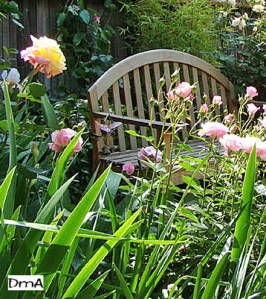
For centuries, we have been developing a deeper understanding of our world and with the help of environmental sciences and agricultural researchers, better methods that enrich our planet are being discovered. Today, many commercial growers and home gardeners are turning to organic practices or sustainable gardening.

Sustainable gardening is choosing a technique that heals and improves the environment. Applications do not necessarily have to be 100 percent organic but even partial changes are beneficial. Gentle-earth-loving methods like controlling weeds, amending the soil as simple as using recycled kitchen waste, creates a healthier earth, food, and beautiful landscapes for future generations. 

Sustainable gardening works well in many topographical areas, including urban landscape development, farming, and agriculture. Whether you are a grower, landscaper or a backyard gardener, the goal is the same: To practice energy-saving methods and earth-friendly techniques that meet the ever-changing global climate. Sustainable gardening methods include: 

  • Minimize water usage
  • Reduce fertilizers and pesticides
  • Eliminate landfill waste through composting
  • Increase productivity while saving labor and time

Landscape architect Owen Dell, author of Sustainable Landscaping for Dummies describes sustainable landscape as a way to:

  • Cut costs
  • Protect against wildfires
  • Benefit nature and mankind
  • Create beauty, food, and habitats

To view some of Dell’s sustainable landscapes go to www.owendell.com/Projects/index.html

Furthermore, when Sustainable Sites Initiative (SITES) established a pilot program for LEED* certification in June 2010, SITES defined sustainable as: 

.  . . design, construction, operations and maintenance practices that meet the needs of the present without compromising the ability of future generations to meet their own needs by attempting to:  protect, restore and enhance the ability of landscapes to provide ecosystem servicesthat benefit humans and other organisms

In other words, sustainable gardening is a combined effort using organic methods and harmless-living practices for a healthier earth and cleaner heavens. Copyright © 2011 Dianne Marie Andre

 *LEED is an internationally recognized green building certification system, providing third-party verification that a building or community was designed and built using strategies aimed at improving performance across all the metrics that matter most: energy savings, water efficiency, CO2 emissions reduction, improved indoor environmental quality, and stewardship of resources and sensitivity to their impacts. For more information on LEED go to:   www.usgbc.org/DisplayPage.aspx?CategoryID=19

h1

Twitter Link Error

January 11, 2011

If you had problems with my link http://www.twitter.com/dianneandre it should work now. Sorry for the inconvenience. Have a great day.

h1

Twitter

January 11, 2011

We’re on Twitter!

Join us at www.twitter.com/dianneandre

and start twittering!

h1

My Cactus Garden

January 10, 2011

MyFreeCopyright.com Registered & Protected

By Bernadine Chapman-Cruz

I’ve never had a green thumb with houseplants. They invariably droop, shrivel, turn brown and die. My small outdoor garden hosting palms and ferns has fared somewhat better. However, the shining star of my gardening efforts is my cactus and succulent garden, hosting over 75 in-ground and potted plants.


In the beginning, I thought cacti needed sandy soil and lots of sun and water to prosper. Enthusiastic in my new venture, I faithfully watered my cacti every day during the heat of summer, only cutting back in winter. I watered my cacti just like God intended, with rain falling from the heavens. Following this template, I poised my hose directly above each cactus plant, letting a mini-rainstorm pour down on top of my cacti until the ground was saturated. But soon, my cactus plants were going the way of my house plants – beginning to die off.

One day, in the gardening section of a local home improvement store while looking for replacements for my cactus casualties, another shopper approached. I watched as she quickly made her selections from the display of healthy plants, a sharp contrast to what my cactus garden had become.

“What are you going to get?” she asked.

“I’m not sure,” I replied.  “I really don’t know anything about cactus. Some of my plants are dying, so I need to get some new ones.”

“Have you ever been to Poots House of Cactus?” she asked.

“No,” I said.

“That’s where you need to go, because they know all about cactus, have a large selection to choose from and even have a cactus club.”

A few days later, I decided to check out Poots House of Cactus on Highway 120 in Ripon. When I pulled into the parking lot, the grounds were alive with cactus of every shape and size. There were big cacti, small cacti, tall cacti and short round spiky cacti on every inch of ground.  There were also several long tables laden with potted cacti and succulents, each sporting a yellow price tag with plant identification.

First, I browsed the tables, then ventured into the hot house where I met owners, Bill and Roelyn Poot. A delightful couple, the Poots’ expertise in cacti and succulents is unequaled, having been in business for 20 years. They freely shared their knowledge and invited me to join the Stockton Cactus & Succulent Club.

With a friendly wave, I left with a bevy of plants, some cactus potting soil, and invaluable information on watering my cacti. My dying cacti were afflicted with overwatering. I had been drowning my plants, which only needed deep ground watering twice a month in the summer, and no water after October.

Today, some six months later, my cactus garden is thriving. I followed the Poots’ advice on watering,  moved my potted plants to a sheltered area and covered my in-ground plants to protect them from frost – a cactus and succulent killer.

Thanks to Poots House of Cactus and the Stockton Cactus & Succulent Club, my cactus garden has survived and is thriving. Copyright © 2011 Bernadine Chapman-Cruz

For more information on cacti and succulents and cactus club membership contact Poots House of Cactus, 17229 E. Highway 120, Ripon, CA  Open Monday – Saturday 9-5 Closed Sunday or call (209) 599-7241 or email  pootscactus@yahoo.com and say Bernadine sent you.

About our Guest Writer:  Bernadine Chapman-Cruz lives in Northern California with her husband George, where she writes and grows cacti. She has been a professional freelance writer with over 600 articles appearing in a variety of local and national publications over the past 20 years.  Bernadine’s current assignment is writing the Biz Buzz section for Lodi Monthly Magazine.

Writing is my passion,” Bernadine says. “I will write about anything, anywhere, anytime.”

In addition to writing fiction and non-fiction material, Bernadine has reviewed books on Amazon.com as well as reviewed movies. Bernadine also edits for other writers. “Editing is a new aspect in my wonderful world of writing,” she says, “and something I find very fulfilling helping other writers improve their work.”

In and Around the Garden is Bernadine’s first guest blog assignment.

h1

Soulful Plotting

January 7, 2011

Annual: 

Plants that complete their life cycle in one growing season.

Biennial: 

Plants that live for two years, producing flowers and/or fruit in their second year from seed.

Perennial: 

Plants that live for more than one growing season, three years or more under normal conditions.

h1

Shopping for Seeds via Catalogs: Part I

January 6, 2011

MyFreeCopyright.com Registered & Protected

Note:  If you received Part II first and you’re wondering where’s Part I, I just noticed that I forgot to post it yesterday. That’s what happens when I leave the house early.

If the elusive-growing season hasn’t steered your thoughts forward spring planting, browsing seed catalogs is sure to germinate enthusiasm. Cozy next to a warm fire, a hot beverage and a few catalogs and you’ll start counting the days for putting down seeds. Studying seed catalogs is a romantic occasion, when your mind fills with visions of mouth-watering produce and colorful flowers. Their scents seem to float from the photos and descriptive text as the tiny seeds considered become subject to ordering. If you haven’t experienced delirious moments while under the spell of seed catalogs, and you’re new to seed shopping, via catalog, order copies now for February planting.


Even if you don’t have space to jump-start your spring plantings with indoor sowing, or you simply prefer six-packs to seeds, there are several benefits (besides romance) for reading seed catalogs. Here are a few advantages:

  • Wider selection found beyond your local garden centers.
  • Discounts, usually offered when buying large seed units.
  • Find more annuals or perennials for your specific microclimates.
  • Learn about items you wouldn’t otherwise hear of or learn about.
  • Access to rare and unusual species that you’ll never see in garden centers.
  • Most catalogs carry a variety of garden items, many you don’t find in stores.
  • Discover the newest hybrids and unique cultivars before they reach retail outlets.
  • Get FREE seeds. How exciting is that? Many companies offer free samples. Even if the freebies aren’t what you’d normally buy, plant them for fun, use them as a gift, or donate them to a local school or community garden.

Most seed catalogs are available on the web to browse, buy, and order a free catalog. However, some companies no longer mail printed catalogs. If you know beforehand what seeds you want to purchase online buying saves time and gas. But nothing beats the hand-held catalog. Copyright © 2011 Dianne Marie Andre

Tomorrow, look for Part II with tips on choosing the right catalogs and seed ordering hints.

h1

Shopping for Seeds via Catalogs: Part II

January 6, 2011

MyFreeCopyright.com Registered & Protected 

Here are more tips to help make your seed selections successful.

  • Buy from local seed catalogs. Although some seed varieties will grow in just about any climate, others won’t. For a list of local catalog companies check with your cooperative extension service or master gardeners office. Look for company names on seed packets sold at a nearby nursery or garden center. Google, “seed catalog companies:  Northern California” (or whatever region you live in).
  • Order several FREE catalogs, including a couple from non-local companies just for fun. Most catalogs also offer garden tools, supplies, unique items. Once you start ordering, you’ll become familiar with their practices and learn which ones provide good costumer service, quality products, and best buys.
  • Once the catalogs start arriving in your mailbox, thumb through them. Study the ones with the most information. Look for description of taste and texture, germination temperature, preferred soil pH, growing tips, canning and freezing abilities, and disease resistance. For flowers look for size, spacing, planting season, bloom period, required light.
  • Try one or two weird varieties for fun.
  • Don’t overbuy. The whole idea of seed sowing is to save money. Think about how many zucchini your family wants to eat, how many you want to pick or try to pawn off. How much canning or freezing do you really want to do or have storage space?
  • Look for return policy, guarantee, and quantity discounts if you buy bulk.
  • If environmental practices are important to you, look for a statement on the company’s standards.
  • Some catalogs have colored pictures or sketches, while others are simple line text organized by categories on newspaper print. Color photos are important when ordering flower seeds, shrubs and trees so remember this when soliciting catalogs.
  • Once you’ve made your selections, consider ordering online for faster service.

When your seed order arrives, check the contents against the packing slip. After planting, staple each seed envelope to a blank sheet of paper for writing notations. Note things like:

  • How long it took to get your order.
  • Whether of not your order was complete. If not, how the company handled the error.
  • Did the seed envelope provide further information like location, soil preparation, planting depth and space, when to thin, mulching, seed storage, water requirements, harvest tips,  deadheading. If not, was it available online?
  • How well did the seeds germinate, develop, and produce.
  • Did the flavor, canning or freezing, and blooms live up to the company’s promises.

Tuck your notes in the proper catalog for future reference. These steps may seem like overkill. However, they’ll save time. After a few seasons you’ll know which companies you favor, varieties the whole family loves, and how much to order. 

Please add your own comments about seed catalogs. We’d love to hear your comments and experiences.

h1

Soulful Plotting

January 4, 2011

Every Friday for the past year, I have shared poetic verses and spiritual inspirations called “Budding Garden Thoughts.” This year, I’m excited to announce “Soulful Plotting” in its place. This too will be short and simple, but will address garden terminology as a useful glossary of garden related information.

Look for “Soulful Plotting” (and the photo of my garden shoes) beginning Friday, January 7.


Thank you for your support this past year. 


h1

January Garden Tasks

January 3, 2011

Please note:  What I write in this space are lessons learned through trial and error, research, and from other gardeners and professionals. I garden in zone 9, but share garden experiences that I believe are relevant to most zones within a reasonable time frame and planting conditions.

January 

MaintenanceIf your soil isn’t too wet, remove weeds with roots in tact. 

Control slugs and snails. Clearing away leaf piles, and unused pots and saucers will help eliminate breeding zones. 

Listen to the weather reports for frost, and protect sensitive plants when the temperature drops below 32 degrees.

Clean rain gutters.  

If you’re a seed catalog shopper, start making your selections for February planting.

In the vegetable gardenPlant bare-root strawberries, raspberries, blackberries, boysenberries, asparagus, artichokes, rhubarb, and horseradish. Plant seedlings of Bok coy, lettuce, spinach, parsley, onion, white potatoes, broccoli, cabbage, chard, cauliflower. Sow seeds of fava beans, lettuce, parsley, mustard, peas, carrots, beets, and radishes. Indoors, sow tomato, pepper, and cauliflower, cabbage, and broccoli seeds.

For spring production, fertilize asparagus and rhubarb with cured manure.

Spray fruit trees with dormant spray after the leaves have fallen off, before new buds form. Spray peach trees for Peach-leaf Curl. Also, spray around the ground of tree trunks to kill any hidden spores.

In the landscapeThere’s still time to plant bare-root roses.

January is a good time to shop for evergreen shrubs like camellias, rhododendrons, and azaleas. Plant color spots of violas, pansies, and gladioli corms every three weeks for continuous spring blooms. 

Prune roses, deciduous fruit trees and most other deciduous shrubs. Wait on spring-blooming trees and shrubs after they are done flowering.

Divide overgrown plants such as Canna, Gerberas, mums, ornamental grasses, Shasta daisies, daylilies, yarrows, and more. Copyright © 2010 Dianne Marie Andre


h1

In and Around the Garden in 2011

January 1, 2011

Walking in and around my garden this morning, here’s what I noticed on the first day of 2011:

Splash . . . it’s raining again.

My hydrangea has buds.

Trick or treat . . . I still have a pumpkin on the front porch.

It’s no longer pitch-black at 5:00 p.m.  . . . actually, I noticed this a few nights ago.

Hate it when this happens . . . every shallot planted in one section of the garden has disappeared.

Surprise-surprise . . . there’s a dozen Alpacas in the neighbor’s field, next to my chicken pasture.

Well, blow me down . . . the one-trillion leaves in the perennial garden don’t have a clue how to drift onto the neighbor’s property.

For the first time in a long while . . .   I read these words on the my blackboard:

“What an opportunity . . . to confront change rather than simply react to it, to shape the rest of my life.”—author unknown

What have you noticed in the New Year?