
The 2015 American Horticultural Society gardening book awards have been announced. There are five winners. Congratulations!:
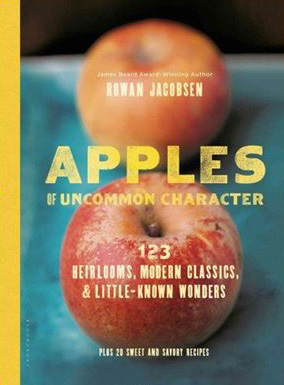 Apples of Uncommon Character by Rowan Jacobsen (Bloomsbury)
With more than 150 art-quality color photographs, Apples of Uncommon Character shows us the fruit in all its glory. Jacobsen collected specimens both common and rare from all over North America, selecting 120 to feature, including the best varieties for eating, baking, and hard-cider making. Each is accompanied by a photograph, history, lore, and a list of characteristics. The book also includes 20 recipes, savory and sweet, resources for buying and growing, and a guide to the best apple festivals. It’s a must-have for every foodie.
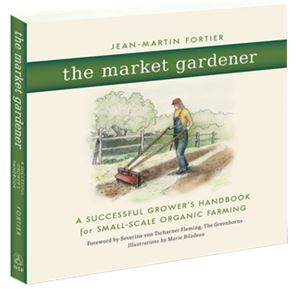
The Market Gardener by Jean-Martin Fortier (New Society Publishers)
The Market Gardener is a compendium of la Grelinette’s proven horticultural techniques and innovative growing methods. This complete guide is packed with practical information on:
- Setting-up a micro-farm by designing biologically intensive cropping systems, all with negligible capital outlay
- Farming without a tractor and minimizing fossil fuel inputs through the use of the best hand tools, appropriate machinery, and minimum tillage practices
- Growing mixed vegetables systematically with attention to weed and pest management, crop yields, harvest periods, and pricing approaches
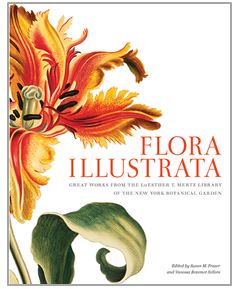
Flora Ilustrata edited by Susan M. Fraser and Vanessa Bezemer Sellers (Yale University Press and New York Botanical Garden)
The renowned LuEsther T. Mertz Library of The New York Botanical Garden counts among its holdings many of the most beautiful and pioneering botanical and horticultural works ever created. More than eight centuries of knowledge, from the twelfth century to the present, are represented in the library’s collection of over one million items. In this sumptuously illustrated volume, international experts introduce us to some of the library’s most fascinating works—exceedingly rare books, stunning botanical artworks, handwritten manuscripts, Renaissance herbals, nursery catalogs, explorers’ notebooks, and more. The contributors hold these treasures up for close inspection and offer surprising insights into their histories and importance.
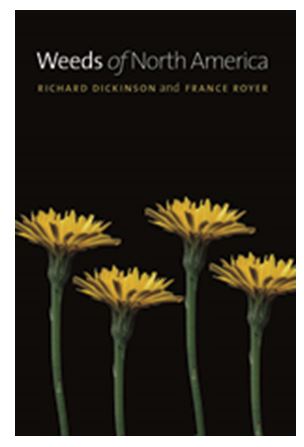
Weeds of North America by Richard Dickinson and France Royer (University of Chicago Press)
Richard Dickinson and France Royer shed light on this complex world with Weeds of North America, the essential reference for all who wish to understand the science of the all-powerful weed.
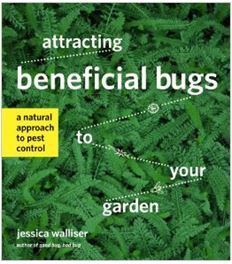
Attracting Beneficial Bugs to Your Garden by Jessica Walliser (Timber Press)
Attracting Beneficial Bugs to Your Garden is a book about bugs and plants, and how to create a garden that benefits from both. In addition to information on companion planting and commercial options for purchasing bugs, there are 19 detailed bug profiles and 39 plant profiles. The bug profiles include a description, a photograph for identification, an explanation of what they do for the garden, and the methods gardeners can use to attract them. The plant profiles highlight the best plants for attracting beneficial bugs and offer detailed information on size, care requirements, zone information, and bloom time. Design plans show gardeners how to design a border specifically for the bugs. This complete, hands-on guide is for anyone looking for a new, natural, and sustainable way to control pests.
Credit: Book descriptions originally posted on Amazon.
For more information, click on each book title.
 (
(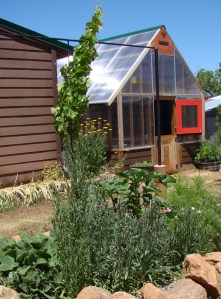
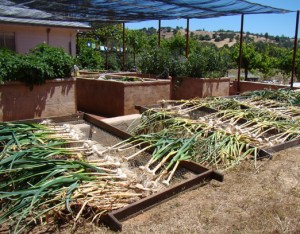
 Alden Lane Nursery in Livermore, California, owned by Jacquie Williams-Courtright, is a popular crowd pleaser where novice and experienced gardeners shop for an umbrella of plants and garden accessories. There are so many garden choices and events at Alden Lane Nursery it’s hard to say who benefits most, home gardeners, professional landscapers, or
 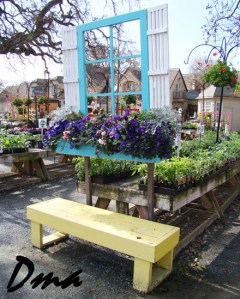 trees, vegetables, water-garden plants, decorative art, demonstration gardens, pottery, patio furniture, and more.
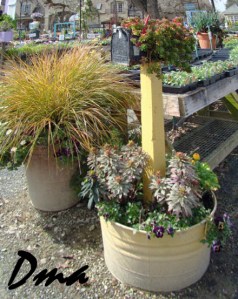 Before winter sets in, and while fall colors are at their peak, visit Alden Land Nursery. For current workshops and events go to



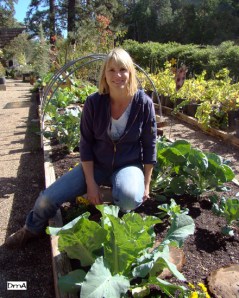
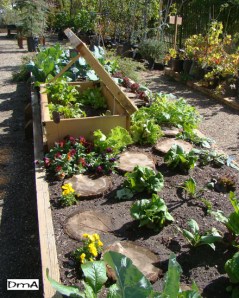 place a cold frame on top of the bed. Cold frames give plants a good start because the frame is bottomless and the roots have plenty of depth to grow before transplanting. Once the large items were in place, cedar steps were weaved throughout the bed. Then Stephanie and Salye launched a class to teach children how to plant winter vegetables.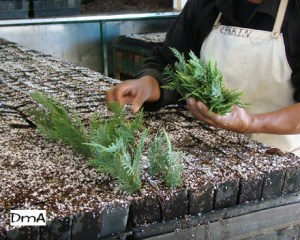
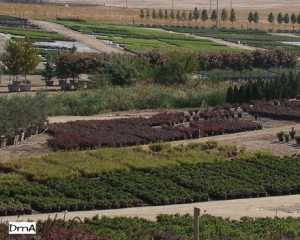

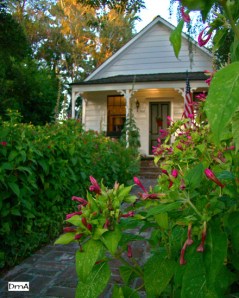 Betty, who archives the family history with precision and deep appreciation, also tends the four o’clocks and surrounding garden areas. At first, after the Coles moved into the house, Betty wanted to do her “own thing” where the four o’clocks grow. However, Betty said the plants fought back telling her to, “Leave us alone! We belong here.” Today, the four o’clocks remain rooted in history behind a white picket fence. Every summer tiny yellow, red, and white flowers bloom as if it was their first season.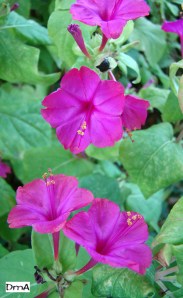

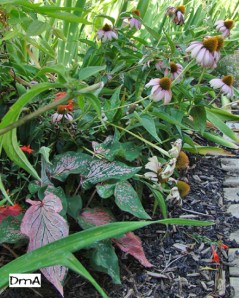
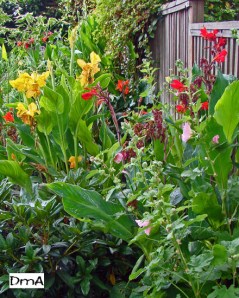
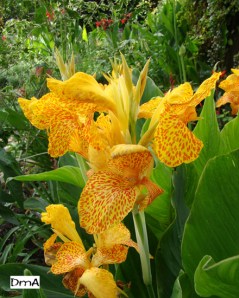
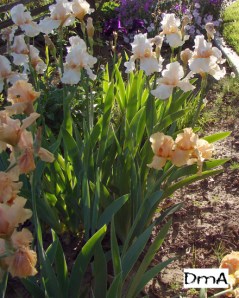 Linden, CA | Seventy-eight-year-old Betty Mathis says it’s time to slow down, to curtail more of her 150-variety irises. Even fifty irises are work, as they need dividing every three years. Planted over time, Betty recorded the name and dates of each species on a simple pencil sketch she drew of the yard, divided into E, F, and G sections. Betty may be cutting back on irises, but walk around her one-third-acre garden and there are few signs of decline elsewhere.



 In and Around the Garden