h1

Shrimp in the Garden: what’s that about?

July 17, 2015

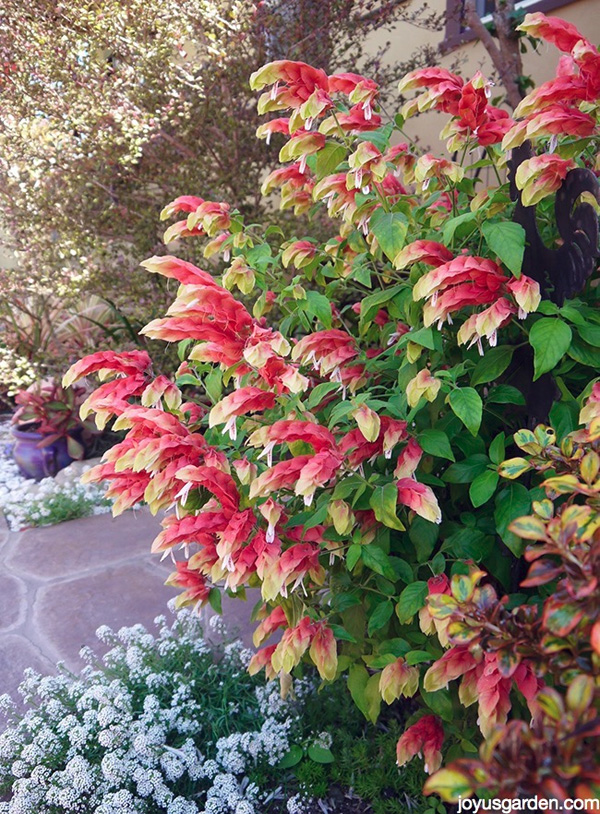
Nell Foster, gardener extraordinaire, has done it again. This time she shares her spectacular shrimp plant in full bloom. I have to admit this is the first time I have heard of shrimp plant. Since it grows in my zone 9 (8b – 11) this beauty is certainly going on my must-have plant list. I am going to bookmark Nell’s article and her video how I prune my Shrimp Plants.


Untitled-11

Photo courtesy of joyusgarden.com

h1

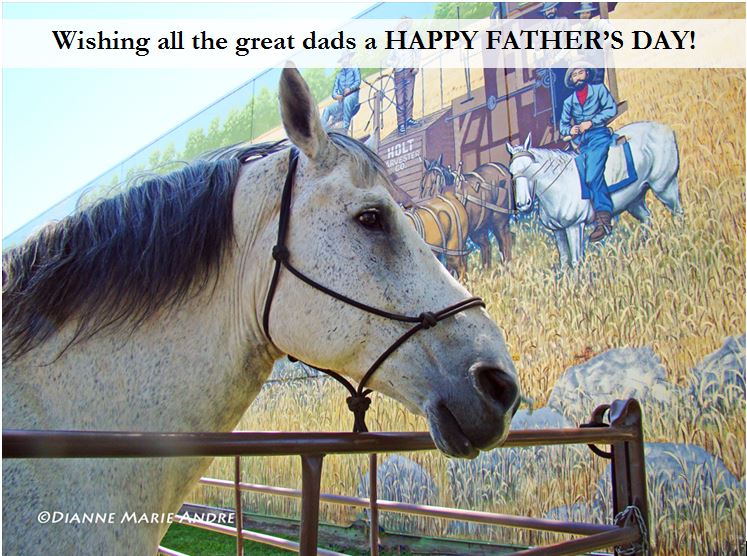
It’s Sunday, June 21st and I am . . .

June 21, 2015

Father's Day.3

h1

Spring Bloom Tour

June 9, 2015

Before spring blooms come to an end, here’s a look at some of the flowering plants in my perennial garden.

DSC00644_edited-1

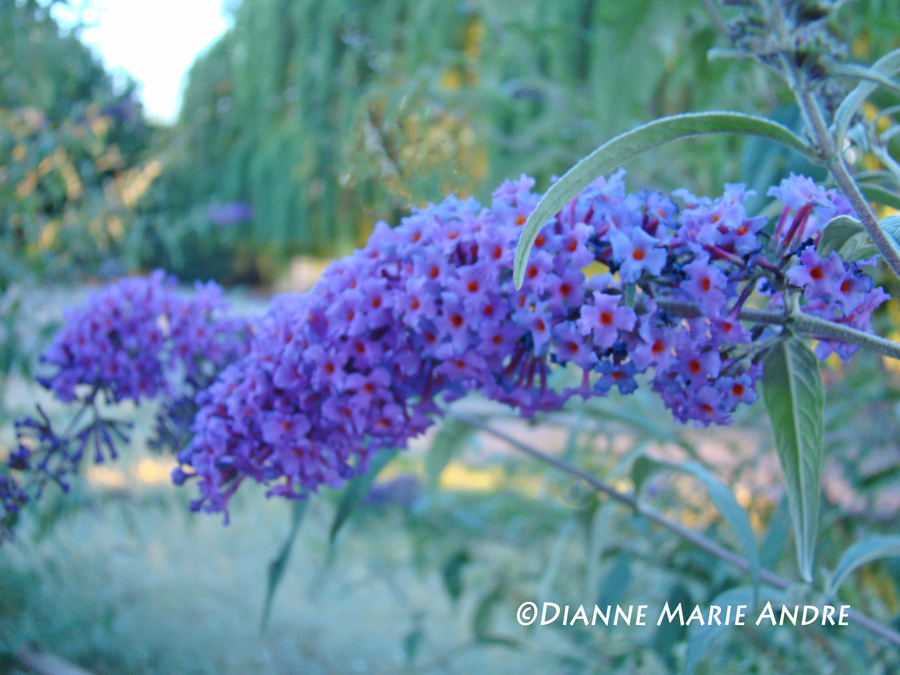
First up is Buddleia, a whimsical deciduous (or evergreen depending on your zone) shrub or tree. I love these because they attract butterflies and humming birds. I have six Buddleias, three in a row on two sides of the garden. Although they serve as an enclosure, I can see through them because of their wispy-like branches.

DSC00642_edited-1

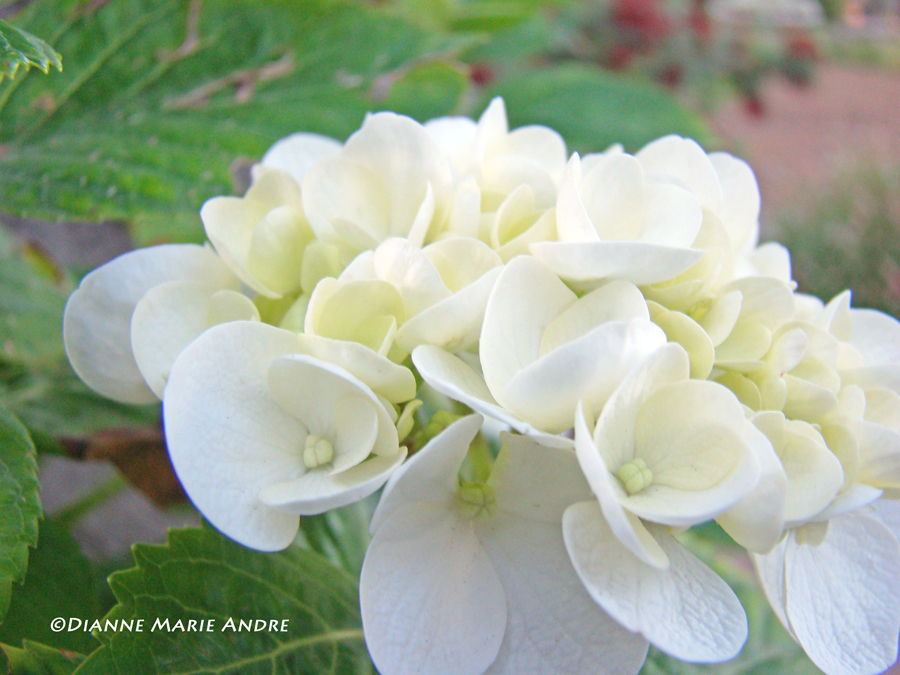
This Hydrangea was a grocery-store gift from hubby. Last fall, I transplanted it from a container to the garden. What a wonderful pop of color these white clusters add to the garden.

DSC00656_edited-1

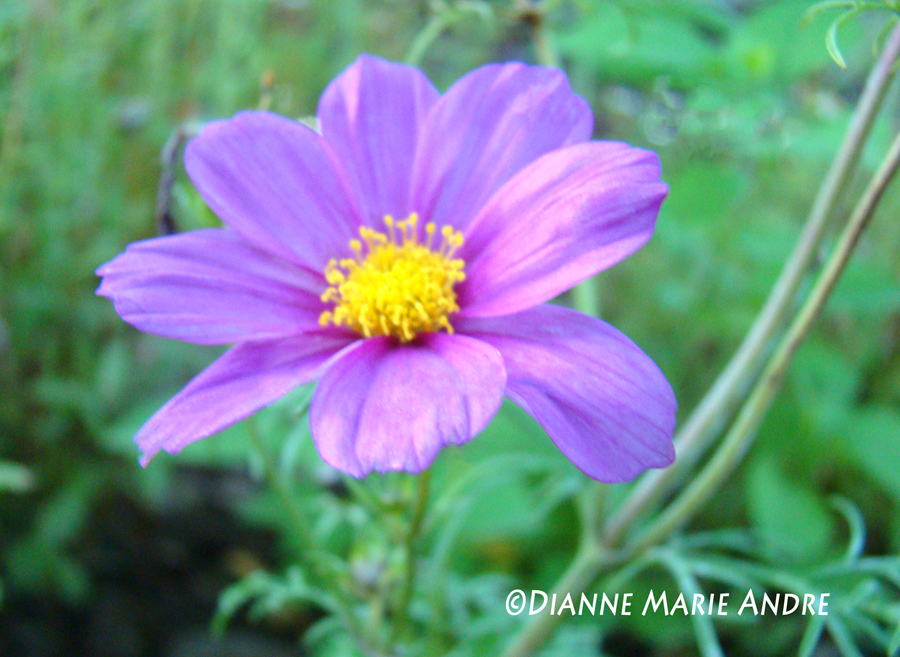
Cosmos . . . and my only blossom. I planted seedlings in three different locations. Snails loved these and quickly devoured the Cosmos in the bed near the front door. No explanation for losing the others. Perhaps the soil is too rich which the Sunset Western Garden Book says to avoid.

DSC00664_edited-1

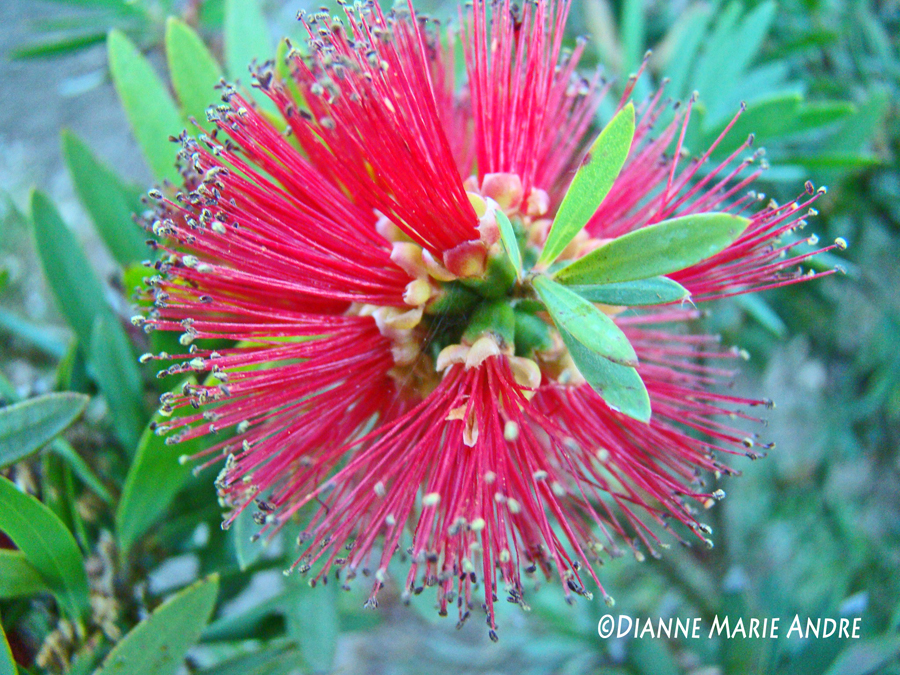
Aww, red! Dwarf Callistemon (bottlebrush). I have to admit there are two things I don’t like about this plant. Even though the leaves are tiny, they shed throughout the year and create quite a mess. Also, the blossoms are not self-cleaning and have to be deadheaded.

DSC00662_edited-1

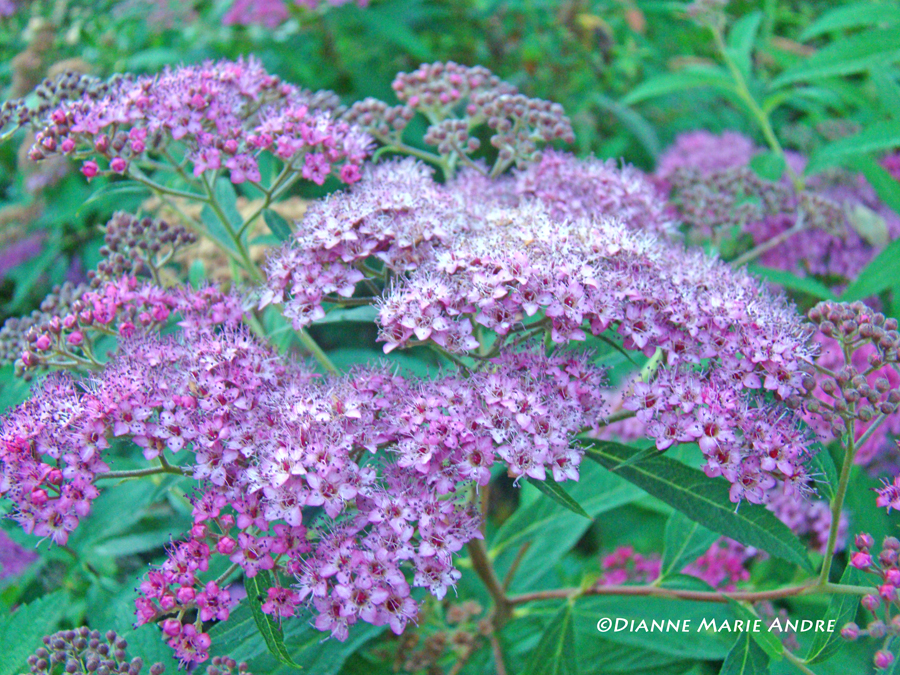
Spiraea is a small deciduous shrub with beautiful flower clusters that also have to be deadheaded. But I enjoy this plant so much, I don’t mind the work. Mine are fifteen years old and only waist high. So there’s no reaching or climbing a ladder when it is time to trim.

DSC00711_edited-1

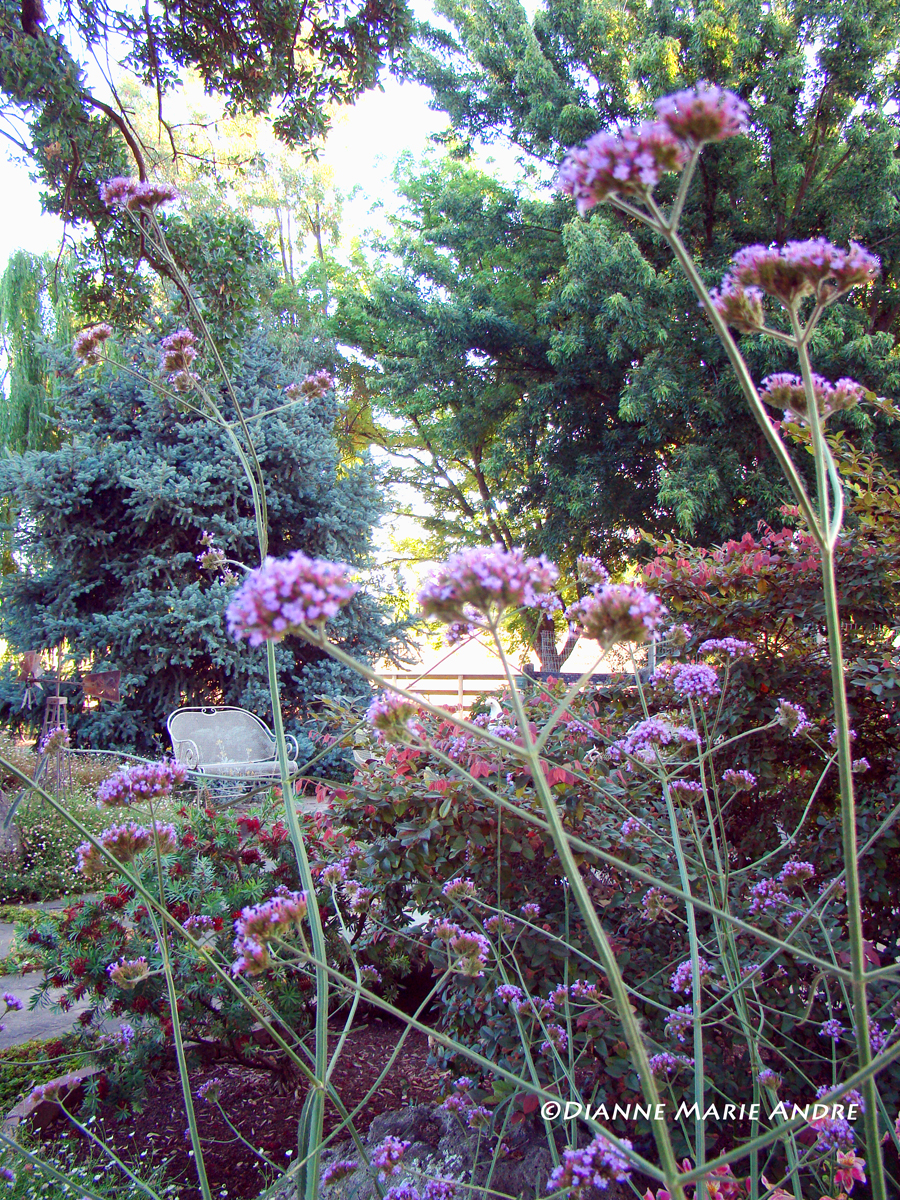
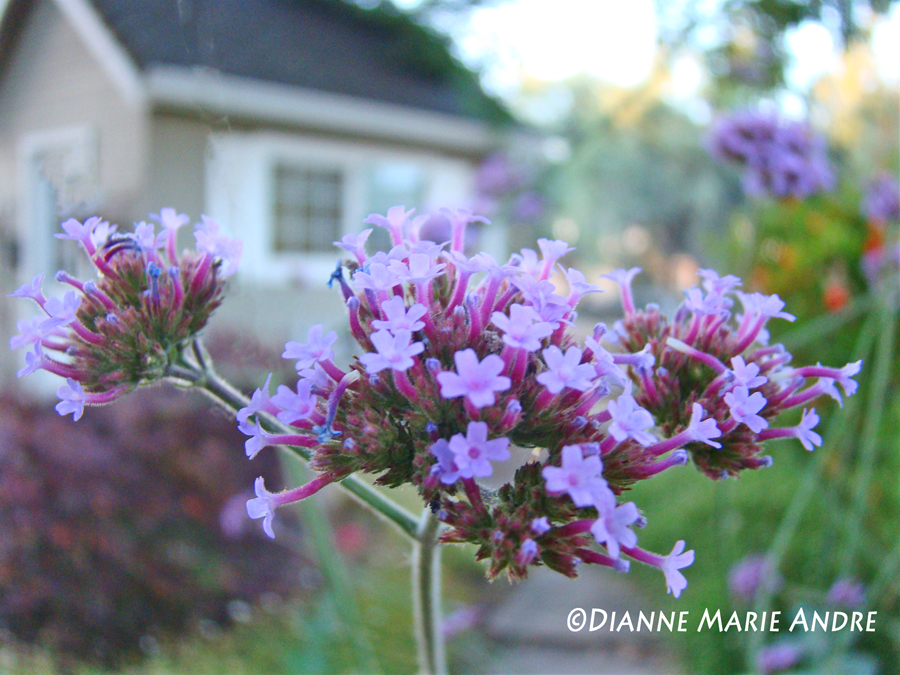
Tall Verbena (Verbena bonariensis) is my favorite perennial. I LOVE the architectural structure. Little purple clusters sit on thin, six-foot tall stems. The view of neighboring plants isn’t blocked! The stems are so strong no staking is needed. Tall Verbena is difficult to photograph, but in person it is the STAR of the garden. Drought Tolerant. Attracts butterflies.

DSC00650_edited-1


That’s the end of the tour. If you’ve been following me for a while, you know there are other spring-flowering plants in my garden (begonias, variegated iris, Santa Barbara Daisies, saliva, snow in summer, and a few more), but I figured you have probably seen enough of those!

I would love to hear what spring blooms you have photographed and which flowers are you favorite?

Oh, I have updated my “About” page. Take a look.

Untitled-6_edited-1


h1

Last Trip

May 22, 2015

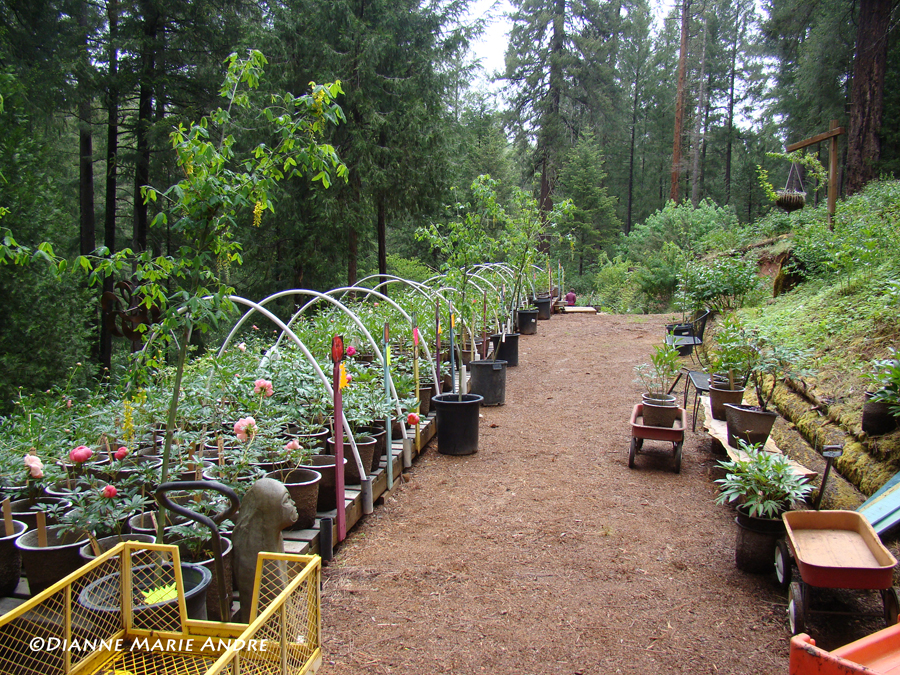
Do you recall when I took a trip to Dragonfly Peony Farm last year? This month, I returned to purchase my last peony from owner Julia Moore who is closing the farm due to health issues.

 DSC00484_edited-1

DSC00460_edited-1

 –

Julia opened the farm earlier, so the blooms were fewer than last year . . .DSC00461_edited-1

. . . and it rained the evening before.

DSC00478_edited-1

_

But Julia always has a photo by each variety section so customers can view the shape and color. I purchased Do Tell.

DSC00463_edited-1

_

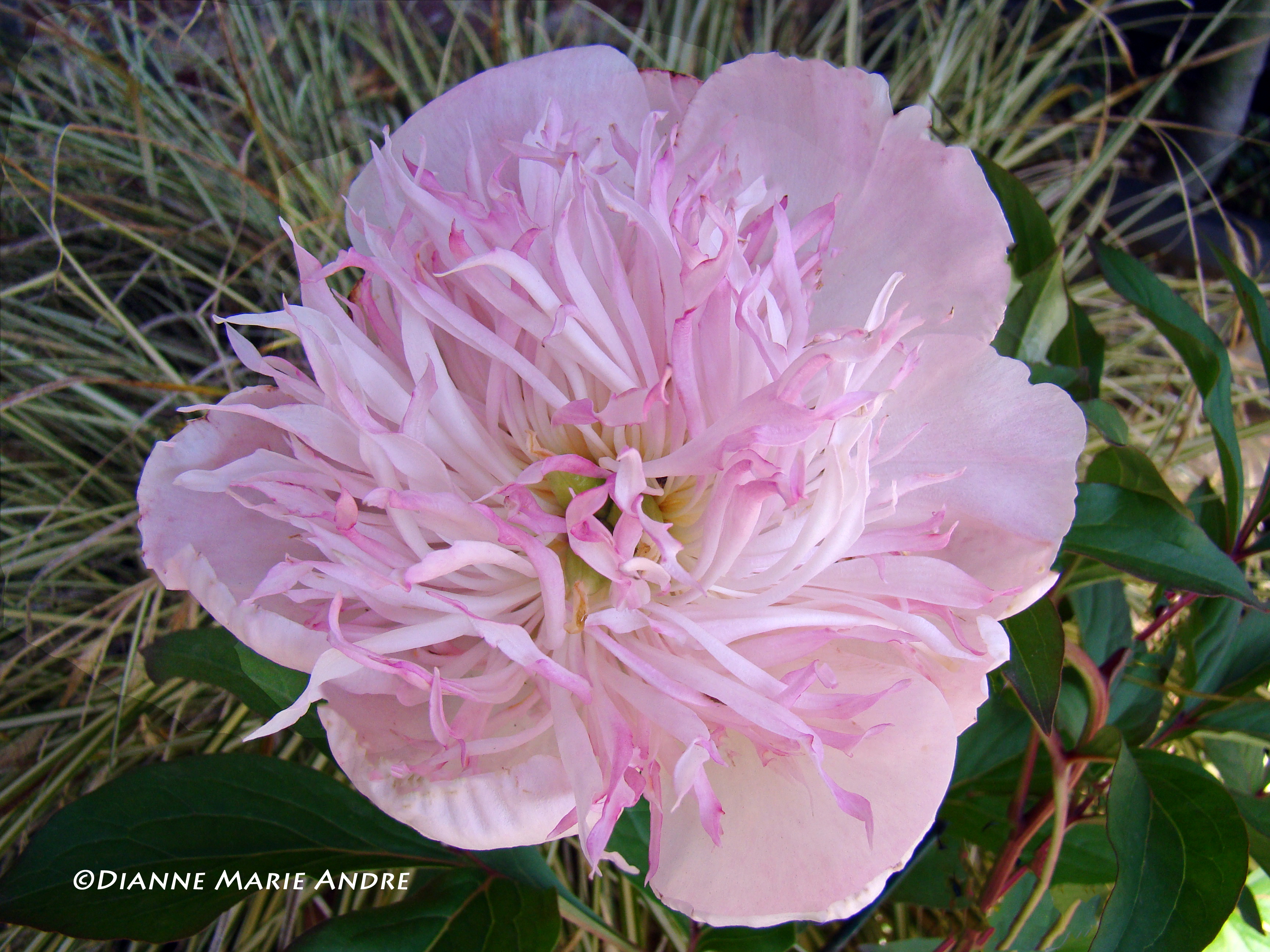
A few weeks later mine bloomed. The color looks different than the peony photo posted at the farm.

DSC00563_edited-1

Still, it’s a beauty.

DSC00564_edited-1


I wish you the best, Julia. Thank you for the peonies, tips, and hugs.

h1

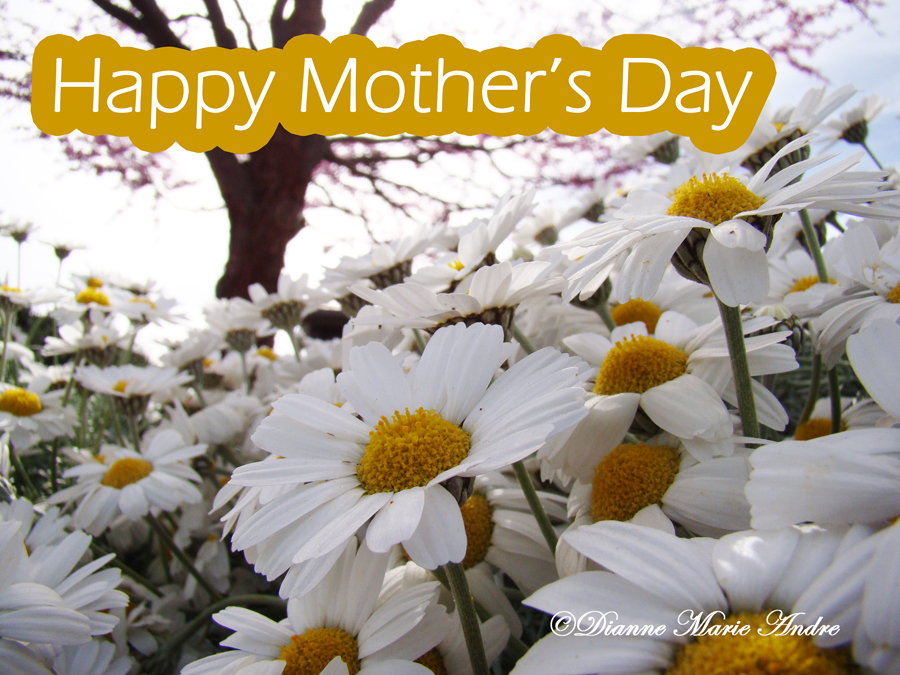
Wishing You A . . .

May 10, 2015

DSC09907_edited-1

h1

Sunburst

April 24, 2015


Untitled-1

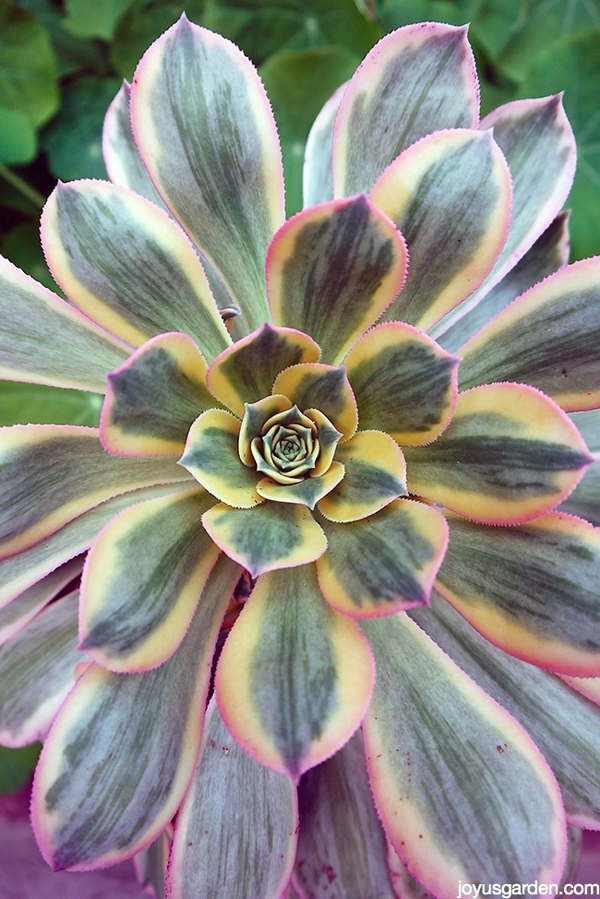
Don’t you just love Aeonium Sunbrusts? The variegation naturally brightens any garden, patio, or balcony, and once established it needs occasional watering.

This beautiful photo was provided by Author Nell Foster who has a great article and video on Aeonium Sunbursts. Check them out, and while you are there be sure to read about Nell and her growing business, Joy Us garden.

Thanks for sharing, Nell!


h1

Inspired by Nature

April 17, 2015


logo 6

New photography prints available now with or without white matte.

Take a look.

Dianne Andre Photography

h1

Daffodils

April 10, 2015

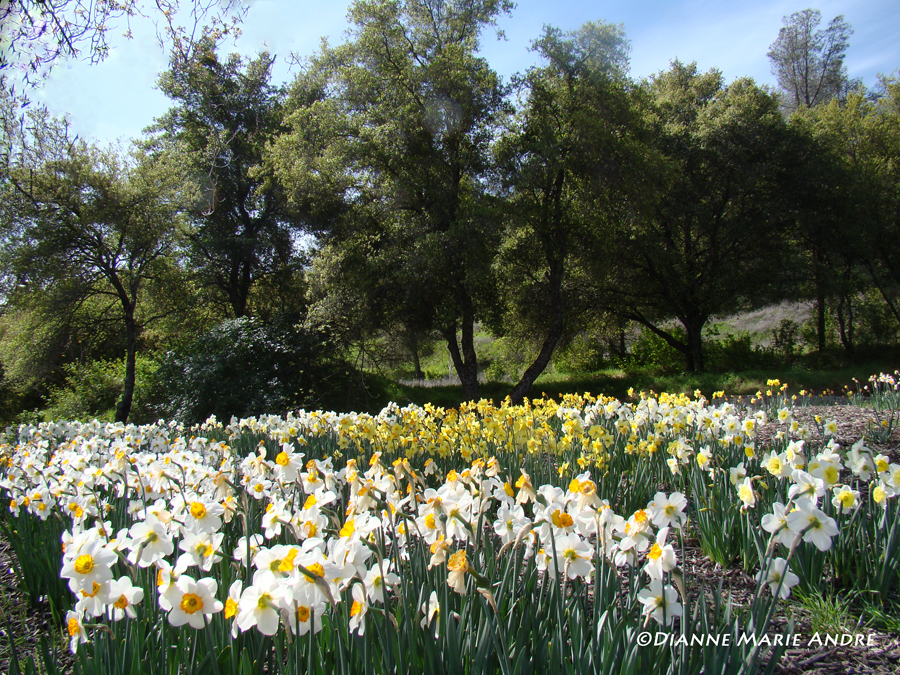
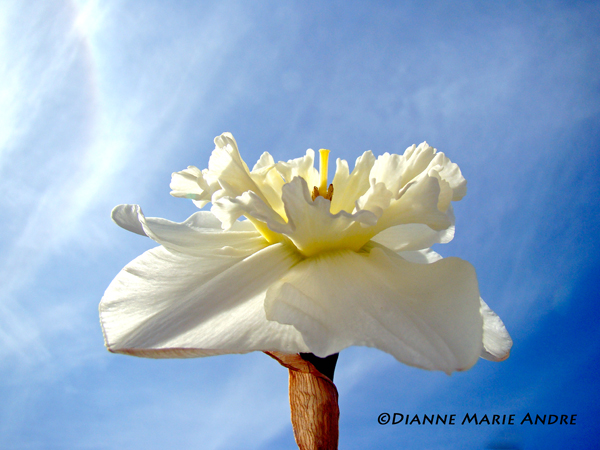
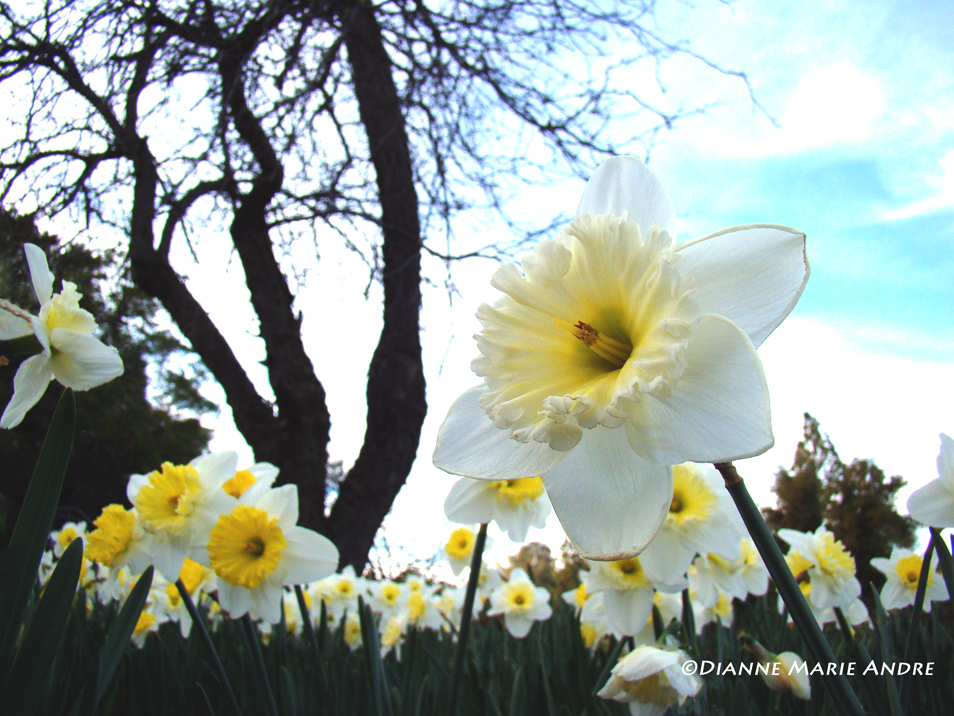
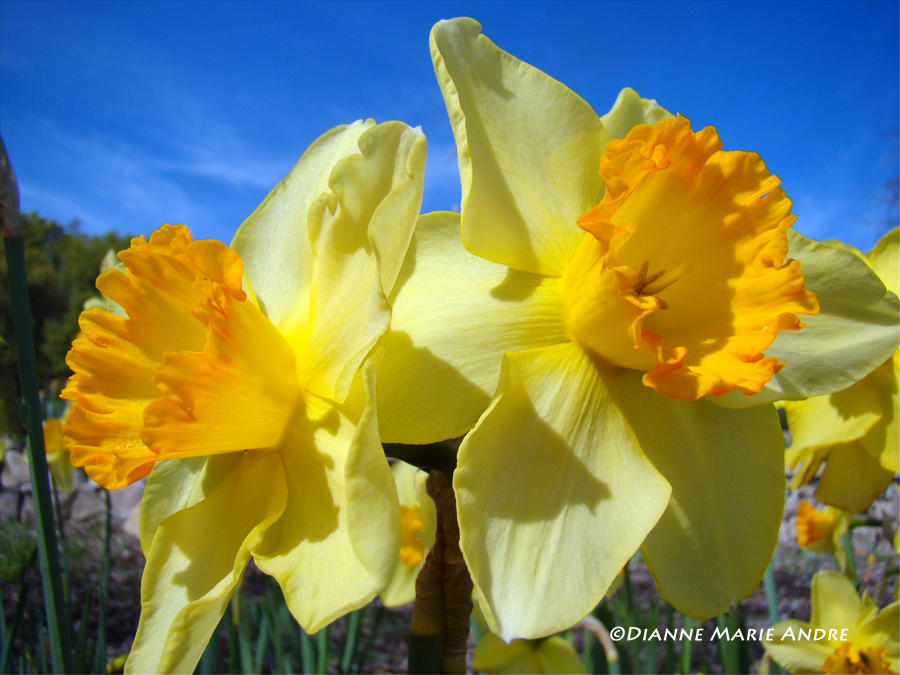
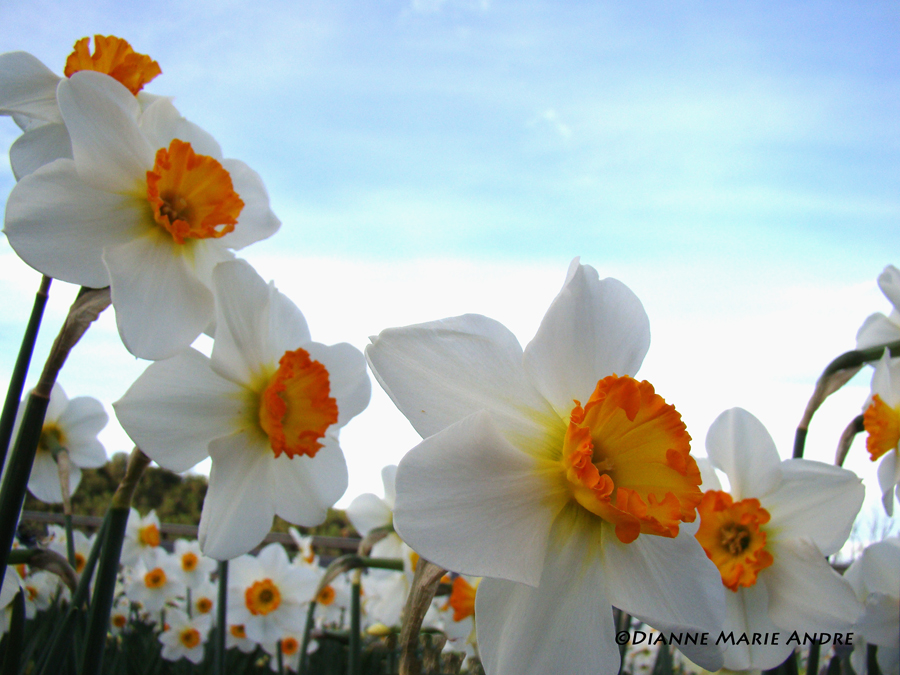
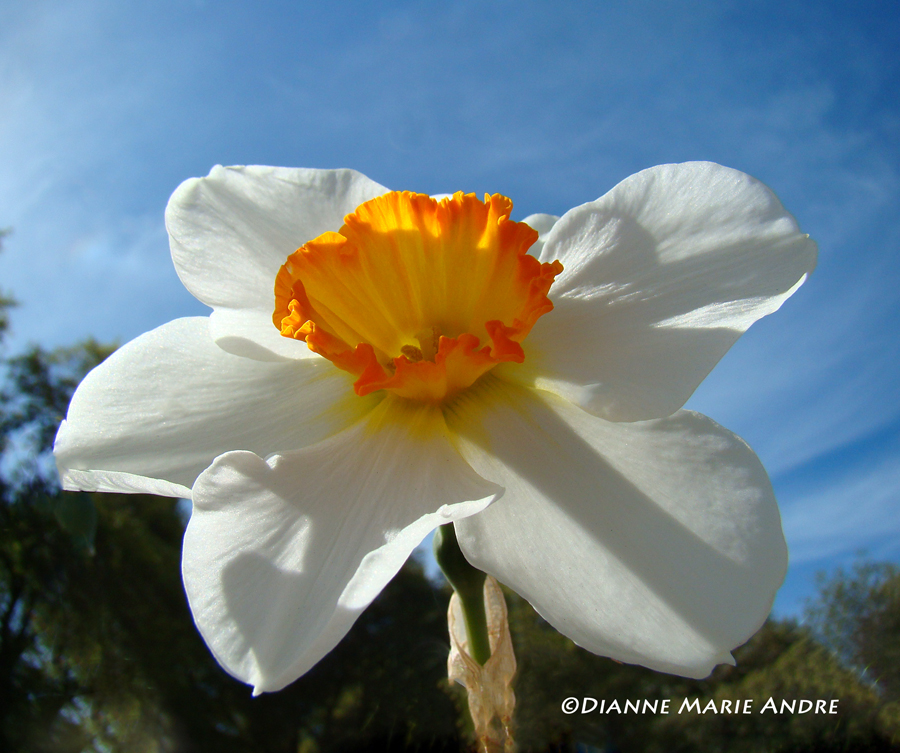
Last October, I helped the Vista Point volunteers, in Jackson, California, plant 10,000 daffodil bulbs. A few weeks ago, I visited the site. The spread of yellow, white, and orange flowers was a beautiful welcome into Jackson. I’m sure locals and tourists enjoyed the cheerful spring blooms. That is what the plantings were all about . . . putting a smile in the hearts of those who pass by.

DSC09897_edited-1

DSC09882_edited-1

DSC02214_edited-1

DSC09892_edited-1

DSC02206_edited-1

DSC09902_edited-1

h1

Easy Easter Tree Centerpiece

April 2, 2015

By Susie VanDeventer at The Humble Nest of Mrs. V

I picked up some mercury glass mini Easter eggs from Pottery Barn on clearance a while back and just ran across them (again) the other day . . .tucked away {I have a habit of tucking things away and forgetting about them — you too?}

Capture

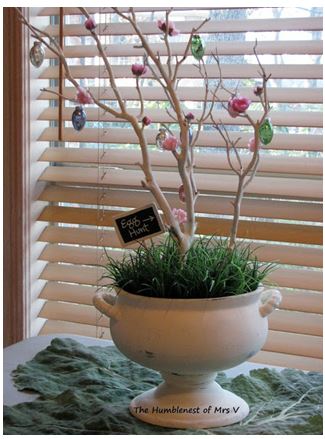
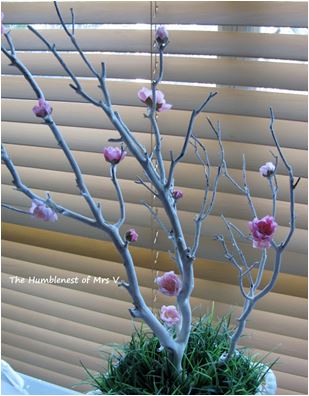
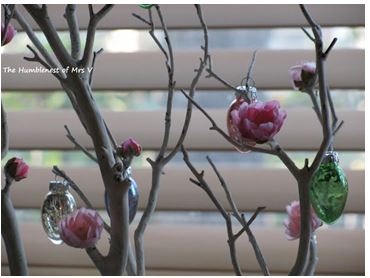
Realizing I didn’t have a way of displaying them I decided to create a little Easter tree centerpiece. I literally snagged a branch from the backyard and gave it a quick sanding, followed by a quick coat of Old White Annie Sloan Chalk Paint (I didn’t have any spray paint on hand, but that would of worked too).

I added the branch to a terra-cotta planter that I previously painted in Old White, as shown here, using some floral foam and a bit of hot glue.

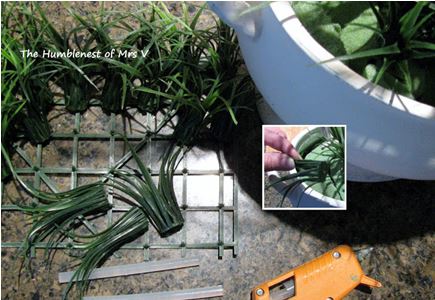
I decided to cover the floral foam with left-over artificial grass I bought at Hobby Lobby. I had used some of the grass previously in my sister’s brunch centerpiece.

Capture 2

 It was easy to cover the foam with this grass.  I just pulled it off the plastic frame and added a large dollop of hot glue to the flat base and held it on the foam for a few seconds . . . working around the branch until all the foam was covered.

Capture 3

To add a bit of Spring to my bare white branch, I pulled a few buds & blooms off a silk cherry blossom branch that had seen better days. {why yes, I do have a closet full of faux florals . . . why do you ask?} I used hot glue to add these blooms to my new Easter tree.

Capture 4

The mini eggs look dazzling on their new tree.

Capture 5

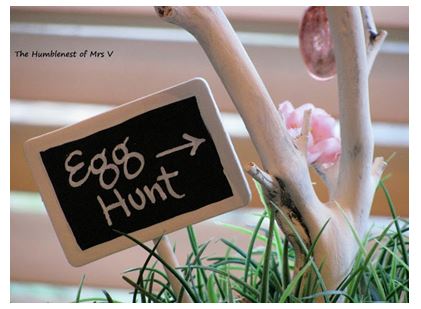
The Egg Hunt sign is a mini-chalkboard on a stick I recently bought from Pick Your Plum. I gave it a quick swipe with Old White Chalk Paint and used a chalk marker to write on it.

Capture

I am pretty happy with my little Easter tree —
so much so that I made two and added one to my booth space.
 * * *
 Note from Dianne:  Thank you, Susie, for sharing. I think my gardening friends will love this. What fun it will be collecting and creating your centerpiece or at least a similar rendition. I enjoyed re-posting your how-to article and photos. Happy Easter everyone and God bless you and your loved ones.
h1

Here Come the Winners

March 31, 2015

The 2015 American Horticultural Society gardening book awards have been announced. There are five winners. Congratulations!:
 

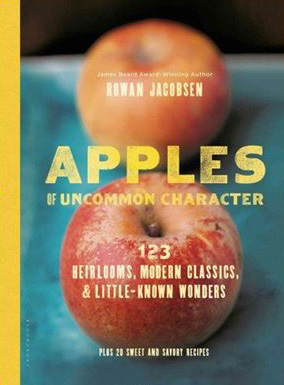
Capture Apples of Uncommon Character by Rowan Jacobsen (Bloomsbury)

With more than 150 art-quality color photographs, Apples of Uncommon Character shows us the fruit in all its glory. Jacobsen collected specimens both common and rare from all over North America, selecting 120 to feature, including the best varieties for eating, baking, and hard-cider making. Each is accompanied by a photograph, history, lore, and a list of characteristics. The book also includes 20 recipes, savory and sweet, resources for buying and growing, and a guide to the best apple festivals. It’s a must-have for every foodie.

 

Capture4

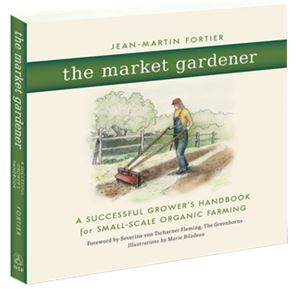
The Market Gardener by Jean-Martin Fortier (New Society Publishers)


The Market Gardener is a compendium of la Grelinette’s proven horticultural techniques and innovative growing methods. This complete guide is packed with practical information on:

  • Setting-up a micro-farm by designing biologically intensive cropping systems, all with negligible capital outlay
  • Farming without a tractor and minimizing fossil fuel inputs through the use of the best hand tools, appropriate machinery, and minimum tillage practices
  • Growing mixed vegetables systematically with attention to weed and pest management, crop yields, harvest periods, and pricing approaches
 

Capture3

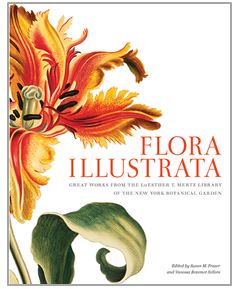
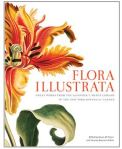
Flora Ilustrata edited by Susan M. Fraser and Vanessa Bezemer Sellers (Yale University Press and New York Botanical Garden)

The renowned LuEsther T. Mertz Library of The New York Botanical Garden counts among its holdings many of the most beautiful and pioneering botanical and horticultural works ever created. More than eight centuries of knowledge, from the twelfth century to the present, are represented in the library’s collection of over one million items. In this sumptuously illustrated volume, international experts introduce us to some of the library’s most fascinating works—exceedingly rare books, stunning botanical artworks, handwritten manuscripts, Renaissance herbals, nursery catalogs, explorers’ notebooks, and more. The contributors hold these treasures up for close inspection and offer surprising insights into their histories and importance.
 

Capture5

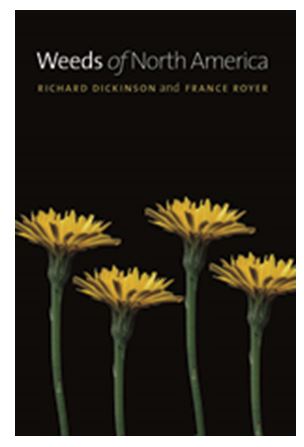
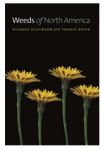
Weeds of North America by Richard Dickinson and France Royer (University of Chicago Press)

Richard Dickinson and France Royer shed light on this complex world with Weeds of North America, the essential reference for all who wish to understand the science of the all-powerful weed.

Encyclopedic in scope, the book is the first to cover North American weeds at every stage of growth. The book is organized by plant family, and more than five hundred species are featured. Each receives a two-page spread with images and text identification keys. Species are arranged within family alphabetically by scientific name, and entries include vital information on seed viability and germination requirements.
Whether you believe, like Donald Culross Peattie, that “a weed is a plant out of place,” or align with Elizabeth Wheeler Wilcox’s “weeds are but unloved flowers,” Dickinson and Royer provide much-needed background on these intrusive organisms. In the battle with weeds, knowledge truly is power. Weeds of North America is the perfect tool for gardeners, as well as anyone working in the business of weed ecology and control.
 

Capture 2

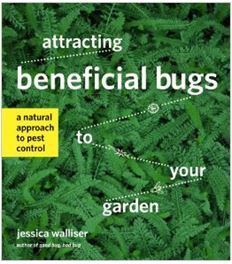
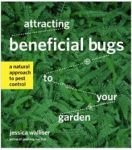
Attracting Beneficial Bugs to Your Garden by Jessica Walliser (Timber Press)

Attracting Beneficial Bugs to Your Garden is a book about bugs and plants, and how to create a garden that benefits from both. In addition to information on companion planting and commercial options for purchasing bugs, there are 19 detailed bug profiles and 39 plant profiles. The bug profiles include a description, a photograph for identification, an explanation of what they do for the garden, and the methods gardeners can use to attract them. The plant profiles highlight the best plants for attracting beneficial bugs and offer detailed information on size, care requirements, zone information, and bloom time. Design plans show gardeners how to design a border specifically for the bugs. This complete, hands-on guide is for anyone looking for a new, natural, and sustainable way to control pests.

Credit:  Book descriptions originally posted on Amazon.

For more information, click on each book title.