
New Guinea Impatiens
Plant note:
Annual
White, pink, lavender, purple, orange, red
Shade to half day of sun
12-18 inches tall
Zones 9 – 11

New Guinea Impatiens
Plant note:
Annual
White, pink, lavender, purple, orange, red
Shade to half day of sun
12-18 inches tall
Zones 9 – 11

Variegated Lacecap Hydrangea
(Not a summer or fall bloomer but the foliage is as pretty as any flower)
Plant Note:
Partial sun
4 to 6 ft. tall and wide
Spring lacecap blooms
Deciduous
zones: 5 – 9


Annual Vinca: My favorite annual because it blooms profusely
without deadheading.
Plant notes:
Full sun
1 – 3 feet high
Great as borders or in pots
Pink, blue, red, white
Zones 2 – 11
Get your camera out and photograph the last of the summer and autumn blooms in your landscape.
Don’t forget to capture textures too.
I’ll share a few of mine over the next few days!
First up is ‘Appleblossom’ Begonia (B sempervirens)

Plant notes:
Full sun to part shade
8 inches high
Annual in high, snow-country elevations. Will come back each spring in warmer regions.
Check out the LARGE number of begonia species at the American Begonia Society.
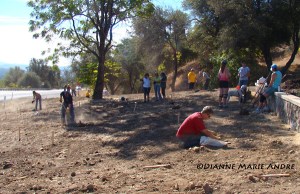

 A few days ago, I joined a group of volunteers to help plant 10,000 daffodil bulbs at the Vista Point Improvement Project in Jackson.
A 25-foot plot of ground had been rototilled, divided into 5×5 foot sections and marked with color-coded stakes to coordinate with hundreds of bagged bulbs also color coded.
I teamed up with master gardener Tim Jelsch, and was I glad! The dirt was dry, dusty, and hard beneath 
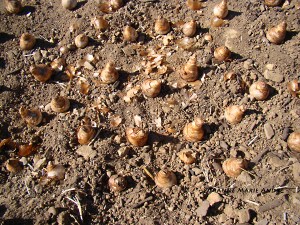 the shallow tilled layer. Tim dug out the sections we had chosen. I tossed in the bulbs, scattered them evenly, and made sure each one was upright. Then we backfilled over the bulbs and carefully raked the soil even. We planted eight sections (750 bulbs), enjoyed a free lunch, and called it a day. A new crew will complete the planting this coming weekend.
Note: Examine your bulbs and toss out those that are soft or decaying. Plant spring-blooming bulbs in the fall before the ground freezes. Daffodil bulbs should be planted six inches deep and six inches apart with the pointed end up.
Fruit-Vegetable Gallery #5:
The name “pumpkin” originated from the Greek word “pepon (for large melon). The French changed pepon to “pompon” changed by the English to “pumpion,” changed to “pumpkin” by yours truly, the Americans.
According to Extension Specialist Tim Hartz, UC Davis Plant Science Department, pumpkins can be classified as a melon (fruit) or a squash (vegetable). Hartz says categorizing the pumpkin depends on who is defining the terms. “To a botanist, a pumpkin is a fruit because it is a ripened ovary containing seeds, just like a melon or tomato. To a chef, pumpkins and squash are usually thought of as vegetables because of how they are used in cooking.”
In other words, no one truly knows the proper category for pumpkins. So look at it this way, whether you call a pumpkin a melon or squash, fruit or vegetable, you will be correct every time!


Autumn is the best time to divide and plant vegetation, and to transplant. There are several reasons for moving a plant from one location to another:
Why transplant in autumn? Here are the benefits:
What did I transplant?
Below are six “Evergold” Carex in my front yard. One year ago, each Evergold was the same size when planted twelve inches apart as instructed on the plant tag. As you can see, the three on the right are not doing well. Since all six Evergolds are receiving the same Eastern exposure and water, I suspect it is something in the soil.

To save my three struggling Evergolds, I transplanted them under a covered area with southern exposure. Now, I just have to wait for spring to see how they are going to react.

I am thinking about autumn and what it will bring.
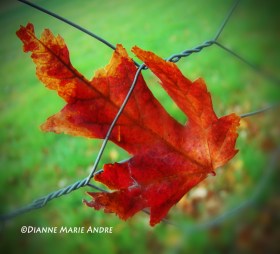
The obvious is shorter days, longer nights, gentle breezes, and cool temperatures.
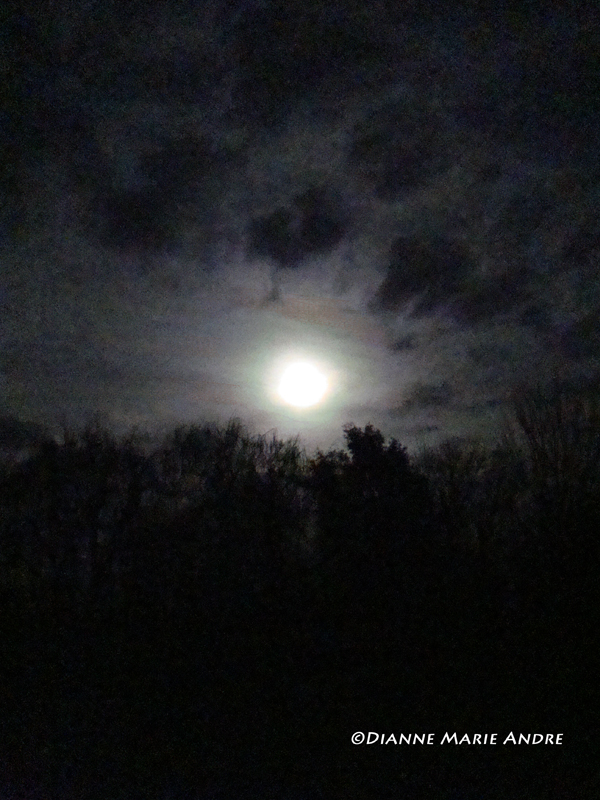
The world will shrink as birds migrate, insects overwinter, and deciduous plants and trees transform from intense hues to bare limbs. Backyard gardeners will plant winter crops or put their beds to rest until spring.
Rest sounds good to me.
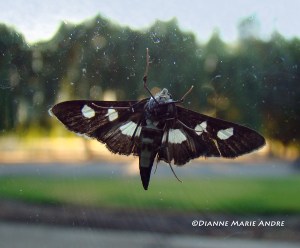
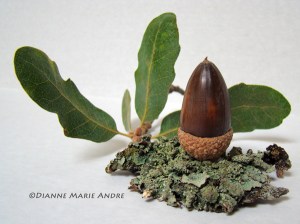
This is the time of year that I want to be lazy, but as it happens every fall, I will be raking acorns and oak leaves through December.
So much for rest . . . the work has just begun.
Fruit Gallery #4:
The most fascinating feature about fig trees is the blossoms. You’ll never see them because they grow inside the fruit to produce tiny seeds creating a crunchy texture.
Some of you have read the story about my fig tree. After the tree was nearly destroyed three years ago it made a comeback. But it is mostly suckers and produces more foliage than fruit. The figs that do grow are tiny. I’m not sure anything can be done to correct the problem, but it makes a nice deciduous shrub. It appears the squirrels are getting more figs than the birds; the oak stump beside the tree is littered with dried fig skins. For sure, it is the hidden blossom-produced seeds that they love.
For information on growing fig trees go to:
http://www.almanac.com/plant/figs



I have finally completed my author website. Please feel free to browse through the pages and while you are there be sure to subscribe. As time goes by, I hope to post an occasional blog or updates on Ashley’s Gift and the sequel I am writing.
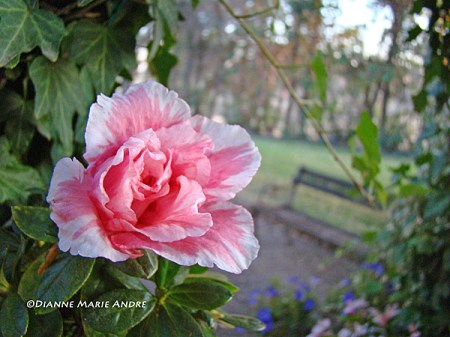
I stood amongst the potted garden
delighted with summer’s hues and scents,
when overhead the sound of honking geese astonished me.
To my surprise, the alarm of summer’s end had arrived.
In the coming weeks, from time to time,
I will watch the crimson sunset with my love,
recall the season’s nights and days,
the work, the play, the rest,
then question which of these had we done the best
and which should we have done the least?
I will most likely sigh, the long slow sigh
that signals it is time to prepare my soul
for the passing of time,
the pulling back of dead blossoms and faded dreams,
the unfinished feats I pledged to self,
to others, and my love.
But I will ponder on these for a moment only,
then praise my love’s encouragement
for booming hues in tubs of clay,
where we will sit next year once again,
delighted in summer’s potted garden.
© 2014 Dianne Marie Andre
You are currently browsing the archives for the Dianne's Blog category.


 | Aimee E on Slanted Light |
 | Anonymous on A Lesson in Forced Blub F… |
 | Corinne W on I have Argyranthemum Frut… |
 | Dianne Marie Andre on How to Deadhead Snapdrago… |
| Anonymous on How to Deadhead Snapdrago… |

 In and Around the Garden